Why Reproducibility Is Such a Big Deal for Disciple-Making
Every spring, I work in my garden with the same quiet anticipation. Some of my favorites are the glorious annuals — petunias, gerber daisies, marigolds. They're stunning. Lavish, even. They give everything they have in one breathtaking season, and then they're gone. I have to go buy new ones next year. Nothing carries forward. Nothing multiplies.
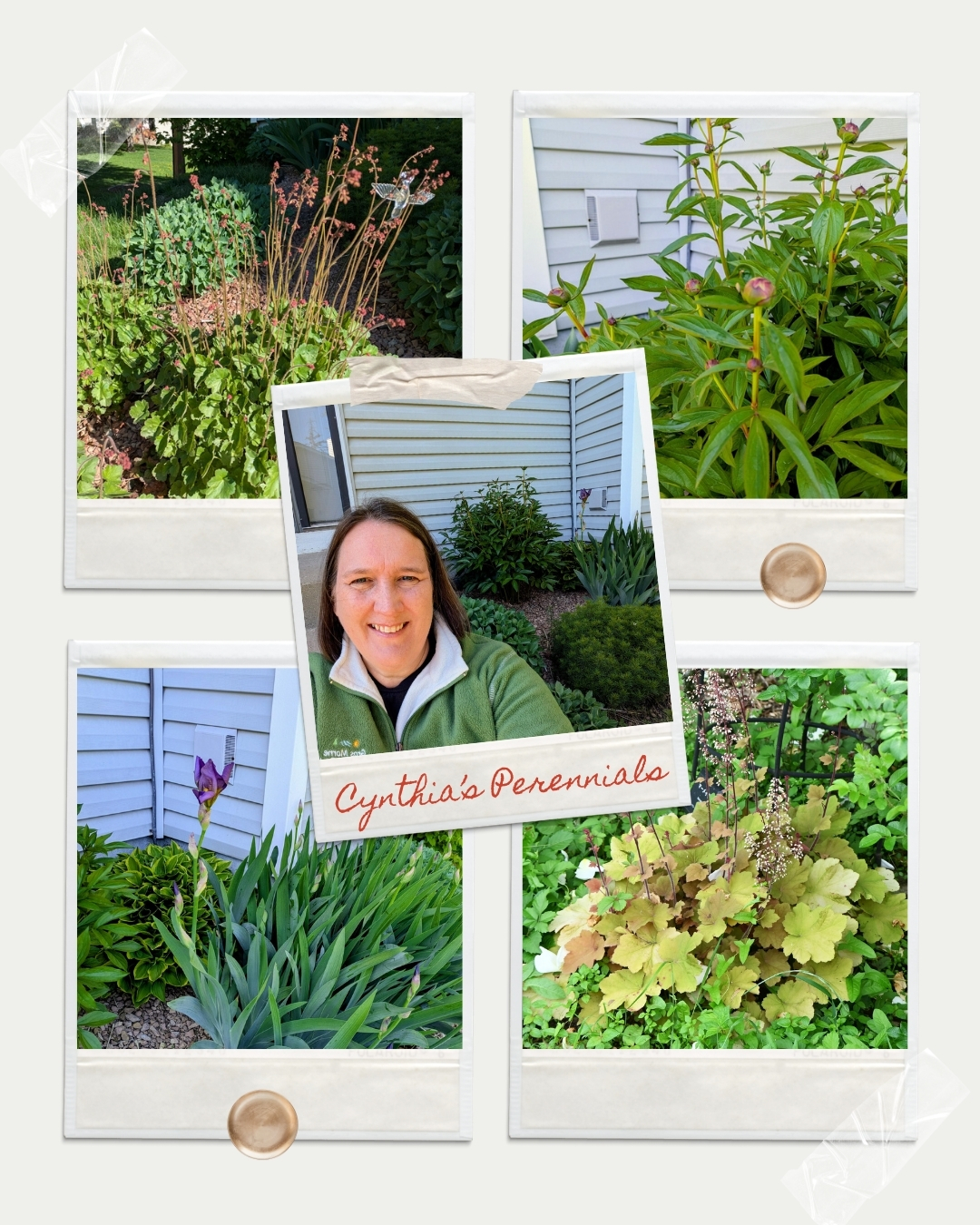
But then there are my perennials — my bearded irises, my peonies, my coral bells. Honestly, some of them aren't as showy as those annuals. But every spring they push back up through the soil. They spread. The irises divide themselves year after year into ever-thickening clumps. The peonies grow more magnificent every season. The coral bells slowly fill their corner and spill out into new patches. Over time, what started as a single plant fills an entire bed — and eventually, I'm dividing them and giving starts to my neighbors.
I've thought about that contrast a hundred times when I think about disciple-making.
Are We More Like Annuals?
So many of our ministry efforts are beautiful annuals. Powerful conferences. Moving sermons. Excellent programs. They produce real fruit in a season — and then they need us to show up again next year and do it all over again. Nothing multiplies on its own.
Jesus didn't design his Kingdom to work like annuals. He designed it like perennials — like seeds that carry within them the DNA of reproduction. "The Kingdom of God is like a mustard seed," he said. Small. Simple. But inherently reproductive.
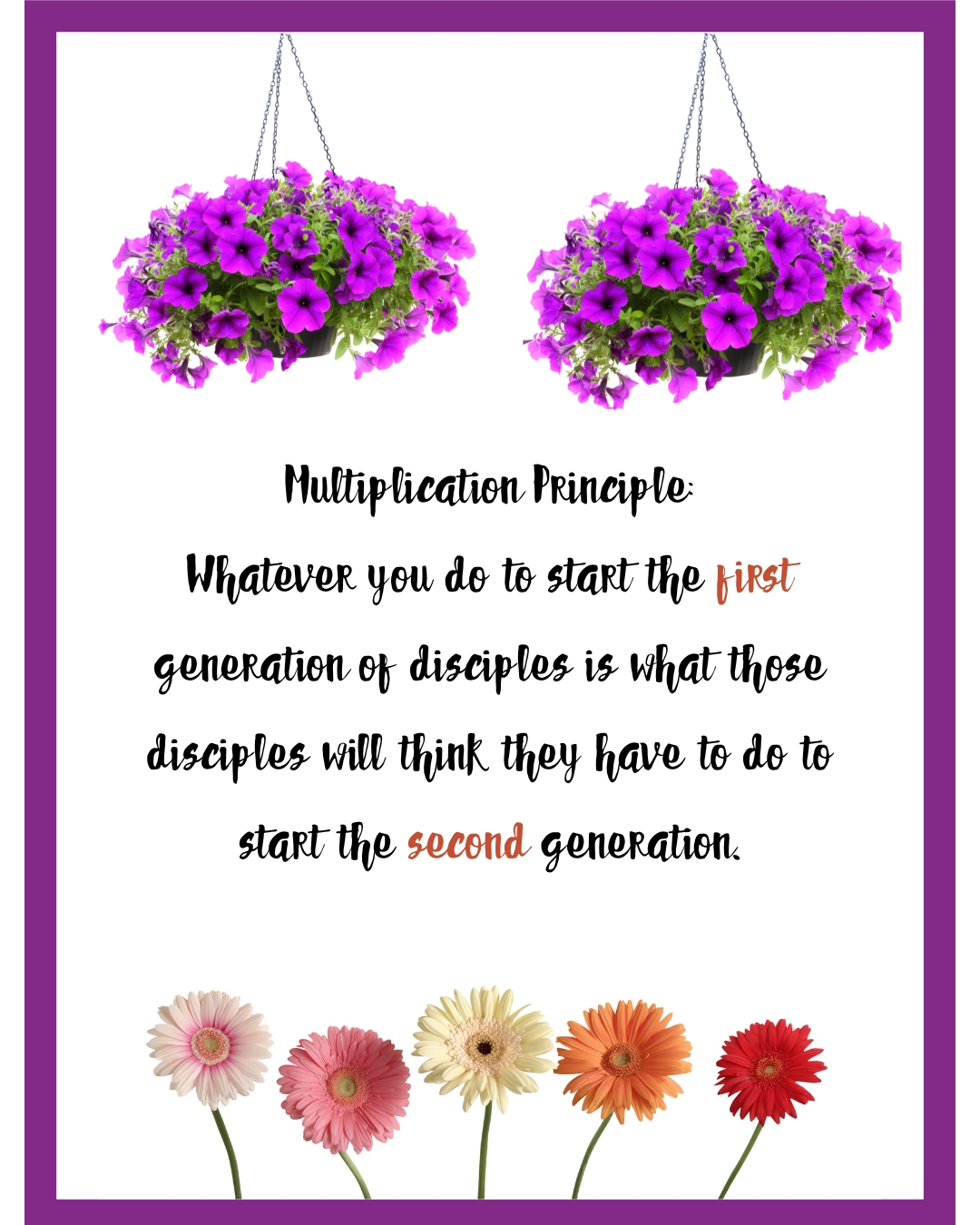
Here's the principle I've come back to again and again: Whatever you do to start the first generation of disciples is what those disciples will think they have to do to start the second generation.
I wrote about this in The Multiplier's Mindset — if you launch your disciple-making group with a polished curriculum, rented space, and outside funding, you've just told the people you're discipling, "This is what it takes." They can't reproduce that. They don't have those resources. So the movement stops with you.
But if you sit with three people around a simple question — What did God say? What are you going to do about it? Who can you share this with? — they can do that anywhere. With anyone. Without a budget, or a degree, or your presence.
This is why reproducibility isn't a methodology preference. It's a missional necessity.
I've watched movements ignite among people with almost nothing — no buildings, no sound systems, no printed materials. And I've watched well-resourced Western ministries spin their wheels, producing committed attenders who never once think to go make a disciple themselves. The difference isn't passion or theology. It's whether the thing they're doing can be passed on.
What Matters Most in Discipleship
In The Multiplier's Mindset: Thinking Differently About Discipleship, I quoted Justin Long, who put it simply: "It's more important that they can do it and pass it on than that they understand many concepts."
That cuts against a lot of how we think about training and teaching. We assume more knowledge equals more fruitfulness. But a disciple who knows ten principles and can't pass them on is like an annual — beautiful this season, gone next year.
A disciple who knows two things and does them and teaches them to someone else — that's a perennial. That can lead to a movement.
As I've trained and coached practitioners across Africa and Asia, those, who've seen movements start and hundreds of thousands of people come to faith, I keep noticing the same thing: the methods that work are almost embarrassingly simple. A Bible story. A few discovery questions. There's an expectation to immediately obey and regularly share what you learned.
That simplicity isn't a lack of depth. It's true depth. It's how you build something that ordinary people can carry into places you will never go.
If you're longing for multiplication — not just addition — the question worth asking today isn't How can I make this better? It’s How can I make this reproducible?
Start small. Start simple. And plant perennials.
What is your biggest struggle in keeping discipleship simple? Share in the comments below or on the Dare to Multiply Community.