Are We Accidentally Telling Our Royal Priests They're Not Qualified?
Picture a Sunday gathering in almost any context. Someone in the room is walking through a crisis, and the leader says, “Let's have our prayer team come forward.” A new believer is ready for baptism, and everyone already knows who will stand in the water with her. A story of God's faithfulness gets shared from the front, and it's often told by someone on staff.
None of this is wrong, but all of it is teaching something. Something you may not actually want to be communicating.
Every week, in many churches around the world, without a word being spoken, the people in that room are learning who does ministry and who watches it.
The Sermon We Don't Mean to Preach
Most leaders genuinely want every believer in their church or group to also make disciples. We preach it. We put it in our vision statements. We tell people God can use anyone.
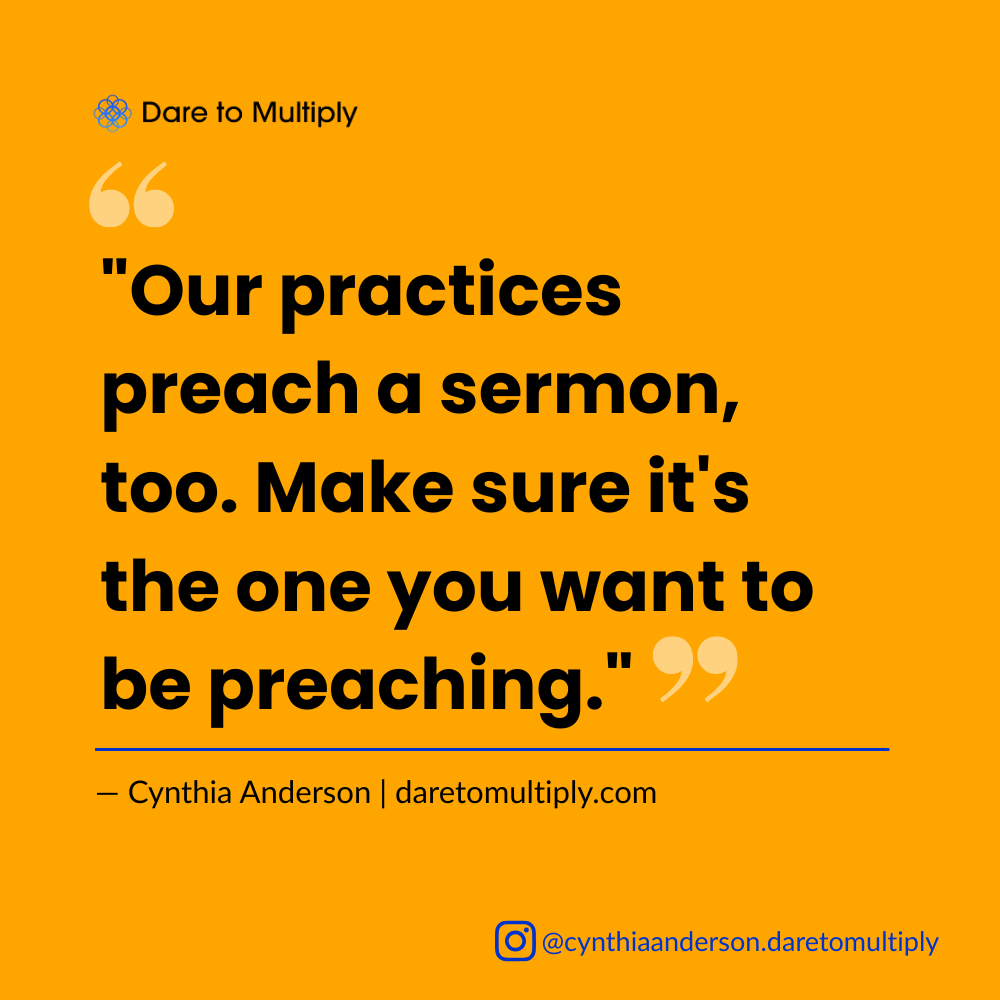
Then our practices quietly preach a different sermon. Who prays? Who baptizes? Who leads the group every time? Who gets celebrated from the front? When the answer to all of these is “the trained people,” ordinary or new believers draw the obvious conclusion: this isn't for me; I can just be an observer and admire people like that without aspiring to do those things myself.
Peter wrote to ordinary believers scattered across the Roman world and called them “a chosen people, a royal priesthood” (1 Pet. 2:9). Not a royal priesthood in training. A royal priesthood. Present tense.
It Happens Everywhere
This isn't only a Western problem. It happens in other nations, too. When the missionary or local leader, or Bible college intern, always facilitates the Bible study, local believers learn that only the outsider or a trained person who gets paid should lead. When the person with the most education always teaches, everyone else learns to wait. The message crosses every culture: someone more qualified than you should do this.
In some ways, this can be even more difficult in Africa and Asia than in the West. There is such a strong culture of honoring those with positions and education, and if they are present, everyone expects them to lead. It takes a very humble leader who deeply understands why it's important for them to be present but encourage others to lead and participate, to stand up against that natural cultural flow.
Movement practitioners working with immigrant and refugee communities in the West face their own version of this. The newcomer may already be the natural spiritual leader in his extended family, yet our structures can keep him in the student's chair for years before anyone asks him to lead. The Westerners, who are not immigrants, can feel they are there to minister to these people and not realize that they need to lead from behind and serve as mentors and coaches to the local insiders from that group rather than lead the way. The sooner an immigrant insider is taking the lead, especially publicly, the faster things will begin to multiply.
The religious leaders in Jerusalem noticed something about Peter and John. “When they saw the courage of Peter and John and realized that they were unschooled, ordinary men, they were astonished, and they took note that these men had been with Jesus” (Acts 4:13). Their qualification wasn't a credential. It was simply time with Jesus. And not 30 years either! A few years were enough for them to fully take the lead and for Jesus to depart.
Sending a Different Message
This month I'm back after sabbatical and am training a church in central Illinois where three ordinary believers and their pastor have been facilitating a training cohort. These shifts are a big change for them, but they are courageously beginning to think differently about discipleship and disciple-making, and the pastor is intentional about giving away leadership to others and sharing it rather than leading everything himself. He’s becoming more and more aware of the hidden messages in what they have done for years when it comes to their discipleship from a pulpit rather than ordinary people becoming disciple-makers.
That's the good news. Messages and systems can change. Start small. Ask someone who isn't on staff to pray for the person who's hurting. Invite the one who led a friend to Jesus to help baptize them. Celebrate the ordinary believer who started a Bible study at work, loudly and specifically. Tell the story of the grandmother discipling her neighbor, not just the story of the new church program run by professionals.
People learn from what we model far more than from what we say. Let's make sure we're modeling and demonstrating what we actually believe and want others to believe.

Releasing people is rarely straightforward and can be a bit tricky, especially with new believers who are still working through real issues and have limited Bible knowledge. This month's membership article takes a deeper, practical look at exactly that. If you'd like to get access to that and join the discussion, find out more at multipliersmindset.com/dtmmembership.
Something to Think About and Discuss:
What messages might your ministry be sending, without words, about who is qualified to minister?
What resonated with you most in this article?
What is one practice you could change this month so an ordinary believer gets to pray, lead, or baptize?
Share in the comments below or on our Dare to Multiply community so the other members can benefit and interact with you as well.